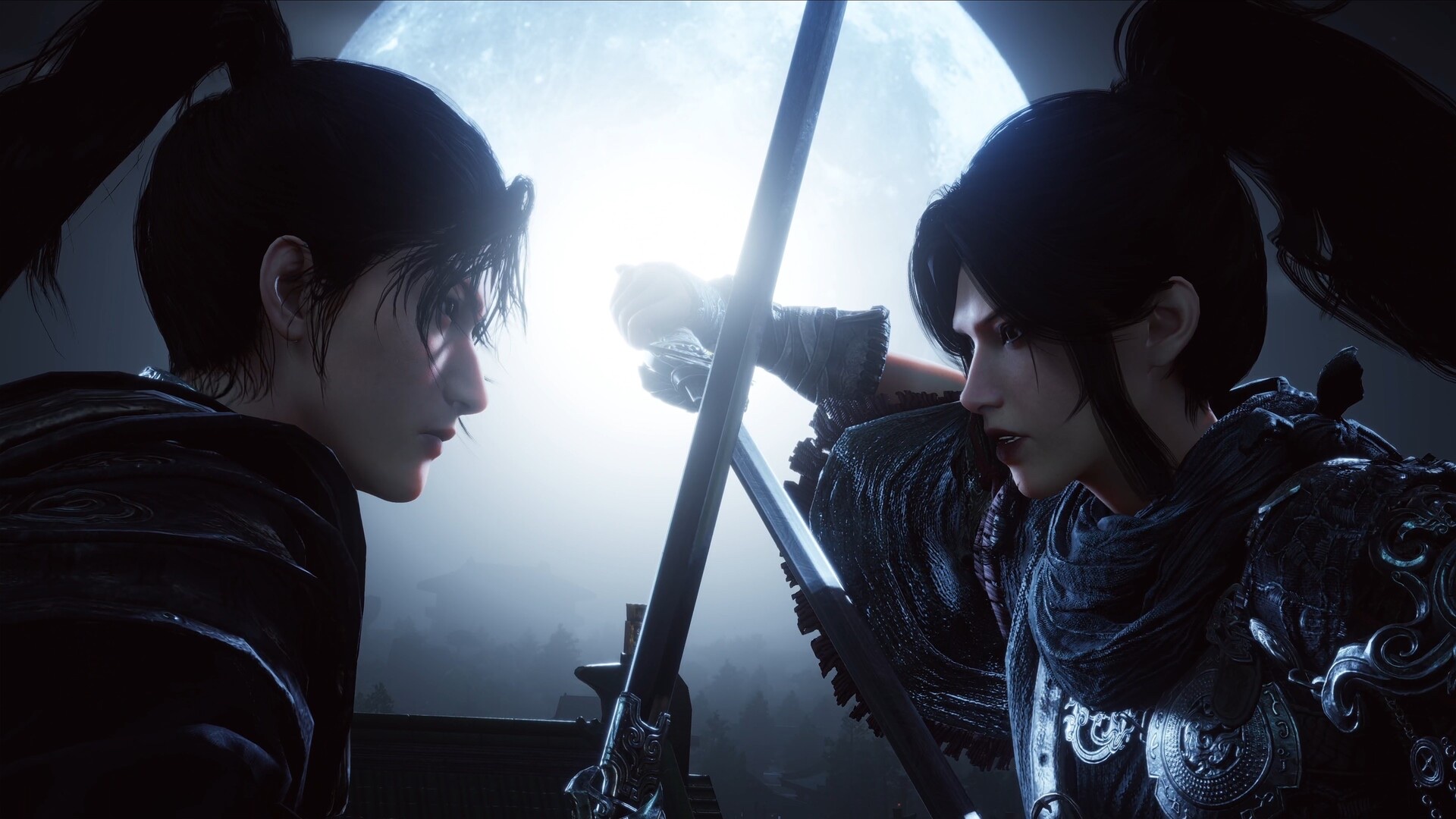
On the surface these two look like natural rivals: both are free-to-play, both are sprawling open-world RPGs from Chinese studios, and both live or die on a live-service update cadence. But spend an hour with each and the family resemblance mostly evaporates. Genshin Impact is a stylised, gacha-driven character collector; Where Winds Meet is a realistic wuxia action-RPG built around a single hero you actually control and customise.
Gameplay & combat
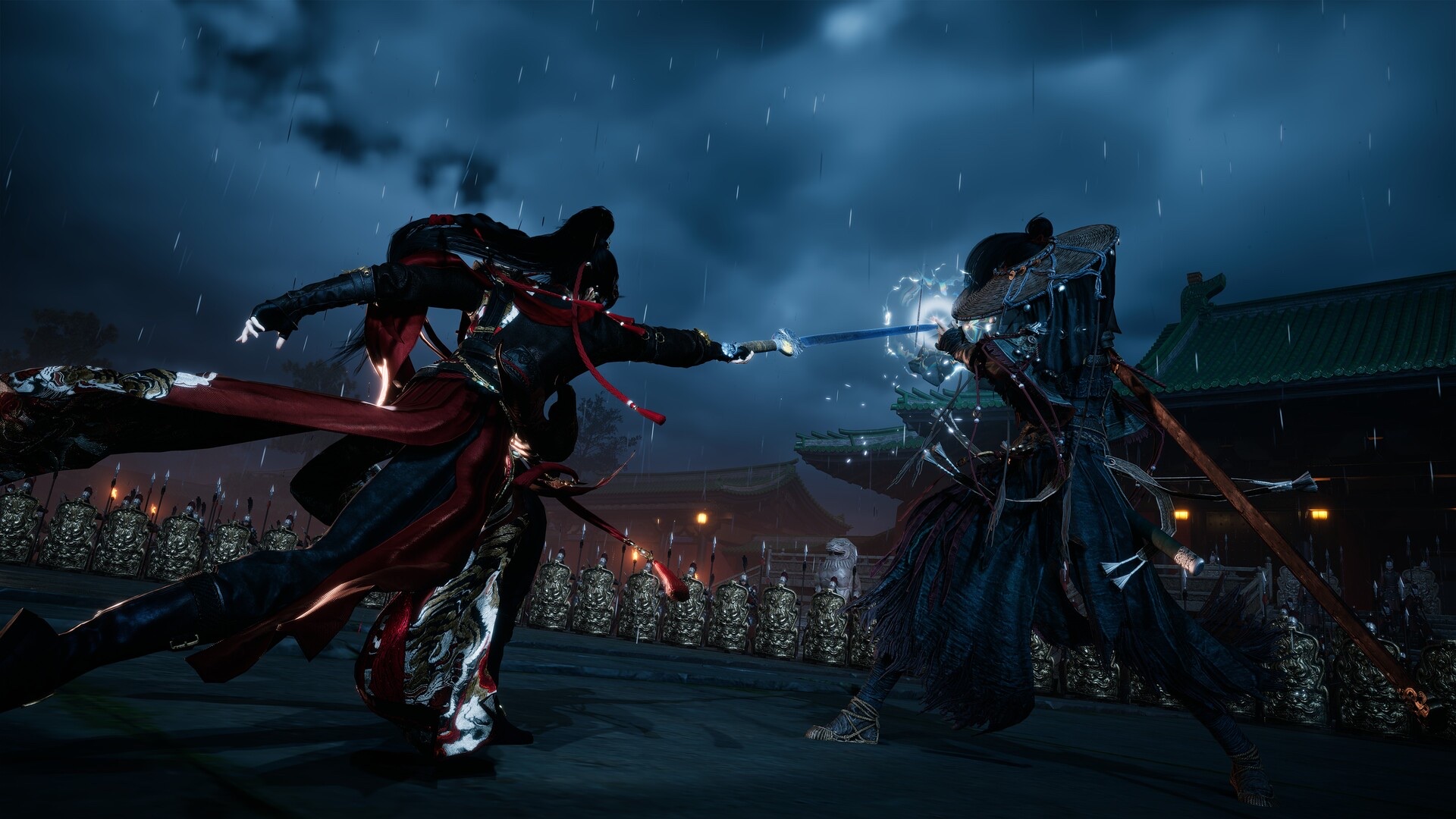
This is the sharpest divide. Genshin's combat is built on its seven-element system (Anemo, Pyro, Hydro, Cryo, Electro, Geo, Dendro) and the reactions between them — you swap between a party of four, triggering Vaporize, Overload or Freeze, and team-building is the real puzzle. Where Winds Meet throws that out entirely. It's a Sekiro-flavoured, timing-based action game: you parry, dodge and break an enemy's posture or Qi bar before landing heavy damage, wielding one of many weapon styles (sword, spear, dual blades, glaive, and even a fan or umbrella) across 40-plus Martial Mystic Arts. It is genuinely harder and more hands-on than Genshin, whose bosses rarely demand precise defence.
Progression & monetisation
Genshin's model is famous — and infamous. Real money buys Genesis Crystals, which become Primogems, which fund Wishes; a 5-star character is only guaranteed at 90 pulls (with soft pity kicking in around 75), so acquiring the units you want is the core spend. Where Winds Meet takes a pointedly different stance: the entire gameplay side is free and there is no pay-to-win. You don't gacha for characters or power at all — you play one protagonist. The catch is cosmetics: premium outfits and weapon-tint gacha have drawn real backlash, with community estimates of $1,000-$1,500 to chase a specific look. So Genshin sells power dressed as luck; Where Winds Meet sells vanity, and charges a lot for it.
Content & endgame
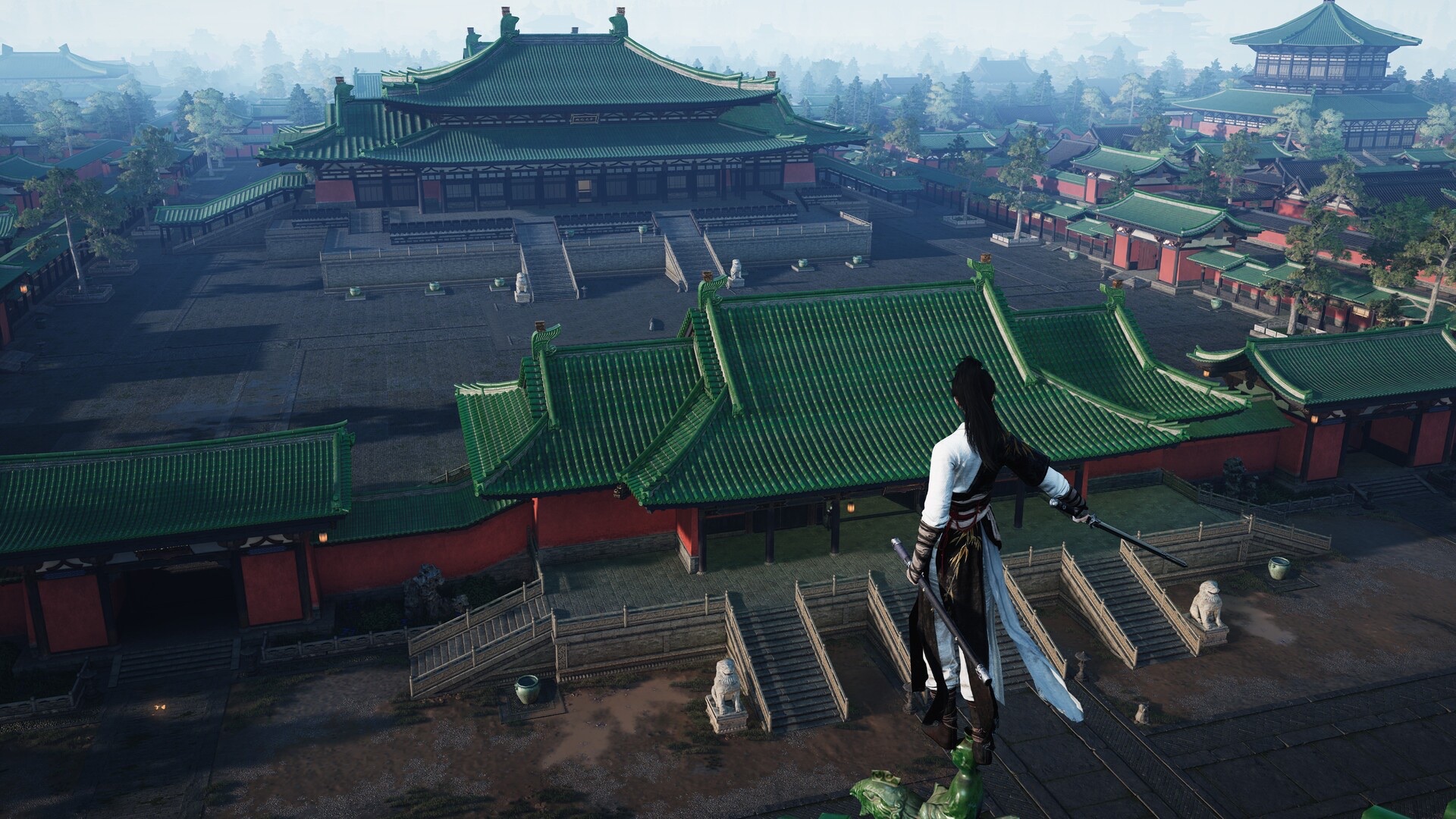
Genshin is the proven quantity here — years of regions across Teyvat, a mature event calendar, and Spiral Abyss as its combat treadmill. Where Winds Meet counters with 20-plus regions, a detailed recreation of 10th-century Kaifeng, 150-plus hours of story, and non-combat "identity" systems (Craftsman, Musician, Doctor) that shape how you engage with the world. Crucially, it's also a true MMO when you want it: seamless co-op, guilds, dungeons and PvP via its Shared Journey mode, versus Genshin's famously limited four-player co-op that locks out story and much of the map.
Which should you play?
- Pick Genshin Impact if you love collecting anime characters, team-building around elemental reactions, and a polished, established live-service you can play casually.
- Pick Where Winds Meet if you want demanding skill-based combat, a realistic historical wuxia world, and optional MMO social play — and you're comfortable playing purely for cosmetics you never need to buy.
Fair warning on the newcomer: Where Winds Meet only went global in November 2025, and while its Steam reception is strong (around 88% positive), its long-term update discipline is still unproven next to Genshin's track record.