Issue 041 — July 2026
A PC-only games site리뷰 기준구독하기
PCGame·Pilot
Comparison

NTE vs Genshin Impact

Both are big free-to-play anime open-world RPGs, but one is a five-year-old, endlessly polished genre benchmark and the other a brand-new urban sandbox. Deciding between them really comes down to elemental-puzzle fantasy versus a GTA-flavored modern city with a far friendlier gacha.

NTE vs Genshin Impact
AspectNTEGenshin ImpactEdge
CombatReal-time swap combat with perfect-dodge counters and Esper-cycle chain reactions; fluid and flashy, but reviewers call the combo ceiling shallow.Elemental-reaction system across a four-character party rewards team-building and planning, though melee itself is slower and floatier.Tie
Open world / explorationA dense modern city with driving, carjacking, a wanted system, jobs and property management; the sandbox variety is its standout feature.A vast, hand-crafted fantasy continent with climbing, gliding and elaborate environmental puzzles that set the genre's exploration standard.Tie
Gacha & generosityNo 50/50: an S-rank on a limited banner is always the featured character (soft pity 70, hard pity 90), and most weapons come from gameplay rather than a banner.Infamous 50/50 coin-flip plus a separate weapon banner and a random-stat artifact grind that can swallow months.NTE
PC performance & optimisationHeavy UE5 (Lumen/Nanite) that punishes hardware, DLSS-only with no FSR/XeSS, and even top GPUs can dip below stable 4K.Extremely well optimised, running smoothly on modest PCs and mid-range phones alike.Genshin Impact
Story & charactersAn intriguing amnesiac-in-a-haunted-city premise that opens strong but noticeably sags in the mid-game.Years of acclaimed regional arcs and deep lore, though the pacing is famously slow.Genshin Impact
Art style / settingContemporary urban fantasy with a sleek, grounded modern-city aesthetic.Painterly high-fantasy Teyvat with distinct, culturally themed national regions.Tie
MonetisationMarketed as player-friendly with guaranteed units and fewer paywalled systems, though its long-term model is still unproven.Generous free pulls, but monetises through the 50/50, the weapon banner and a battle pass.NTE

Genshin Impact is the game Neverness to Everness is most often measured against, and the comparison is deliberate: NTE's developers have openly framed their gacha as a corrective to the standards HoYoverse set. But under the surface these are very different open worlds. Genshin's Teyvat is a sprawling high-fantasy continent spanning seven-plus nations; Hethereau is a single modern metropolis where supernatural anomalies bleed into everyday urban life.

Gameplay & combat

Genshin's combat is built on elemental reactions. You swap between four characters to chain reactions like Vaporize, Melt and Overload, and the depth comes from clever team-building rather than raw reflexes. NTE runs on its Esper system, with six Esper types (Lakshana, Cosmos, Anima, Incantation, Chaos, Psyche) and elemental classes, but the moment-to-moment feel is faster and more action-forward, leaning on perfect dodges, parries and combo strings. Where NTE decisively pulls ahead is traversal and sandbox systems: you can commandeer cars cruising the streets, trigger a wanted system, buy property and run businesses, and drop into online races. Genshin has climbing, gliding and elemental puzzles, but nothing approaching that GTA-style urban freedom.

Progression & monetisation

This is NTE's headline pitch. Genshin uses a 50/50 limited banner: lose the coin flip and you can need up to 180 pulls to guarantee the featured five-star, plus a separate weapon banner that is even harsher. NTE removes the 50/50 entirely, so an S-Class pull on a limited banner is always the featured character, guarantees an S-Class within 90 pulls, and ships without a weapon banner at all. It also handed out roughly 418 free pulls and a free S-rank at launch.

  • NTE: No 50/50, 90-pull pity, no weapon banner, very generous launch economy.
  • Genshin: 50/50 (up to 180 pulls), separate weapon banner, but far more proven content over five years.

Content & endgame

Here Genshin's maturity shows. Five years of updates mean an enormous world, deep lore, and a steady cadence of events, even if its endgame (Spiral Abyss, Imaginarium Theater) is famously thin for hardcore players. NTE is new and, honestly, unproven: launch reception was polarised (TapTap sat around 7.0 in CN, 9.0 globally), the story reportedly stalls in chapters two and three, and there was an AI-asset controversy over background art. Its endgame loop hasn't had time to prove it can retain players.

Which should you play?

Pick Genshin for a polished, content-rich fantasy world with years of proven support. Pick NTE if a living modern city, driving, housing and a genuinely fairer gacha appeal more than Teyvat's fantasy scope, accepting that NTE's long-term content is still an open question.

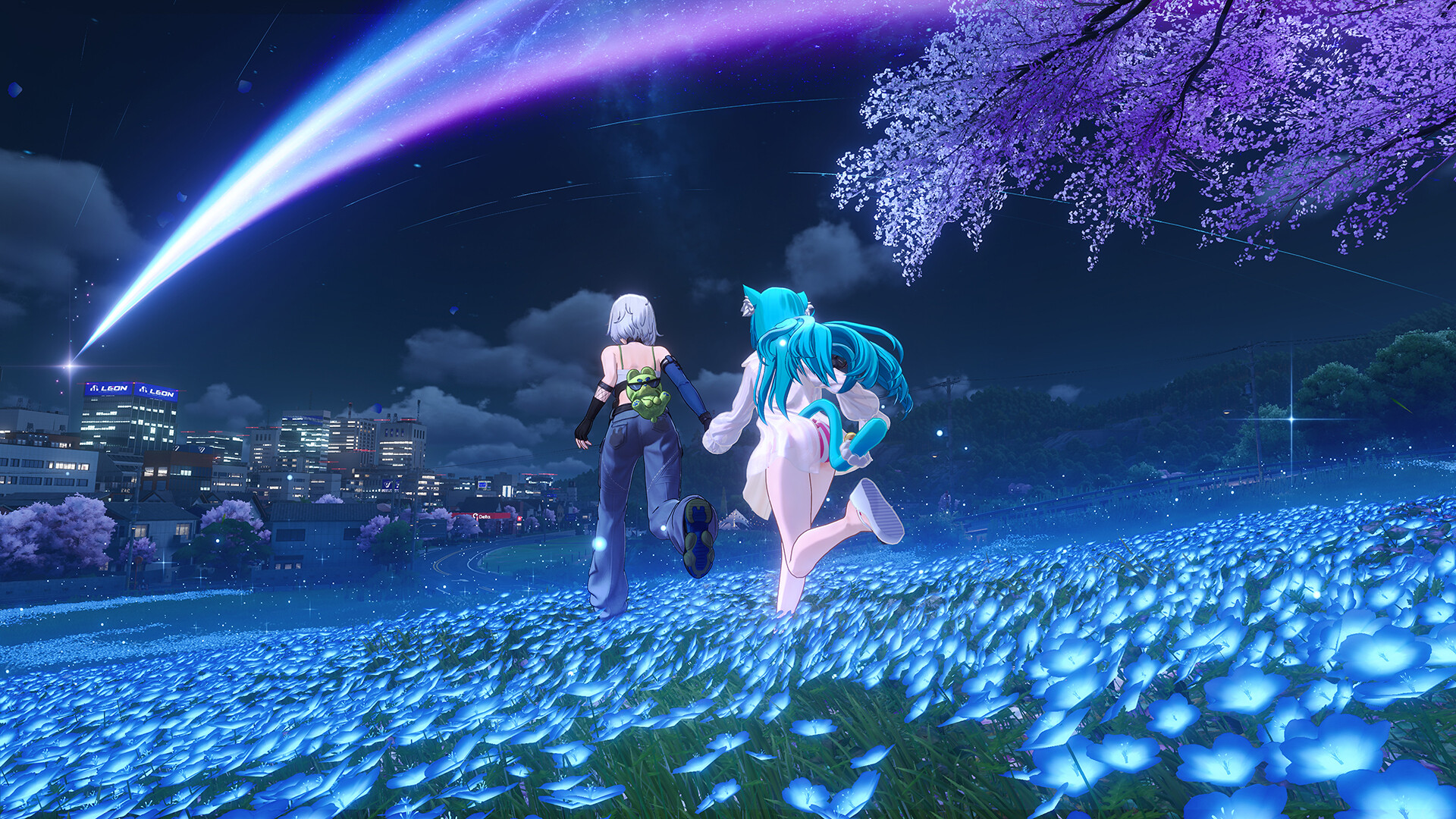
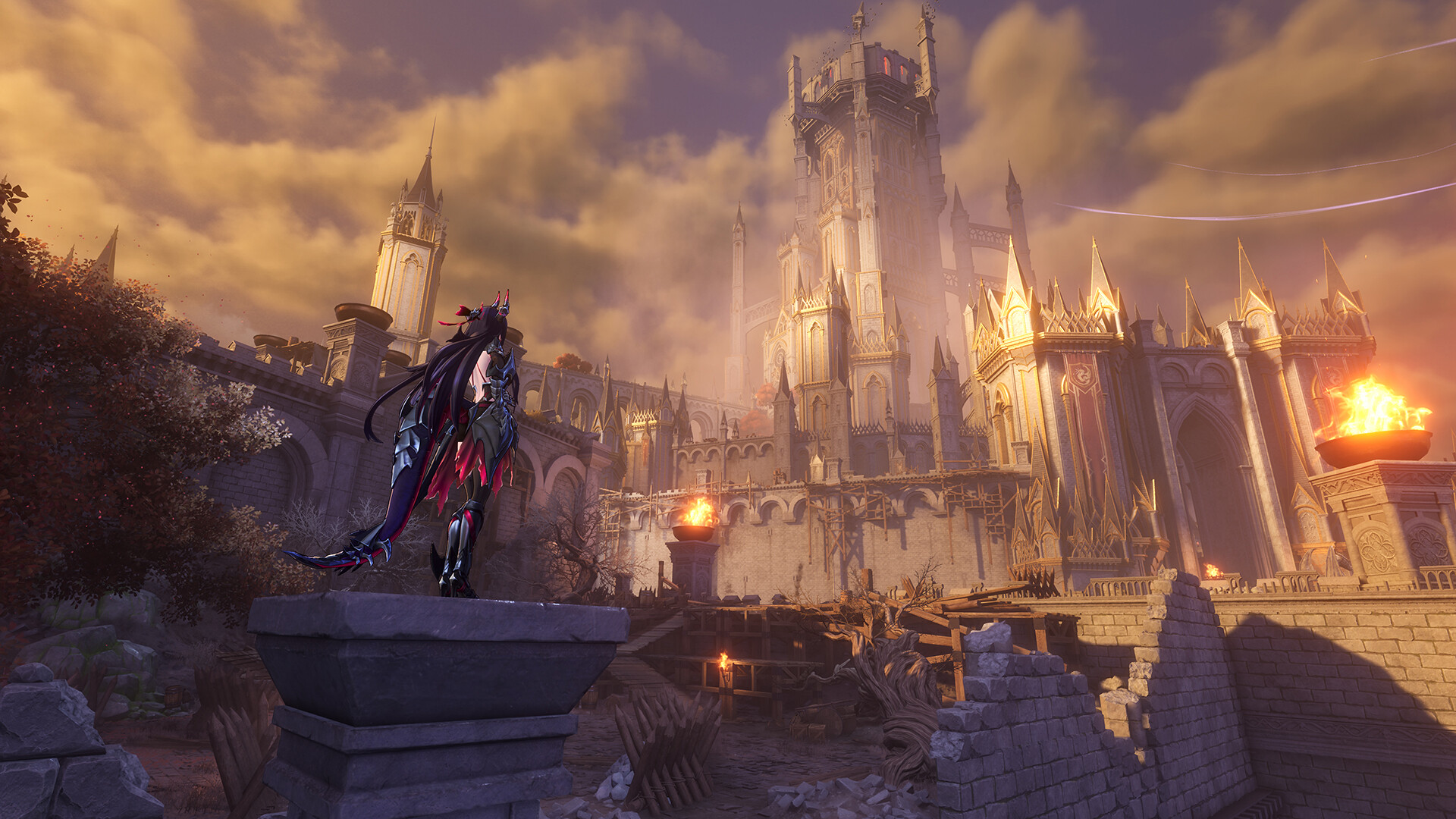
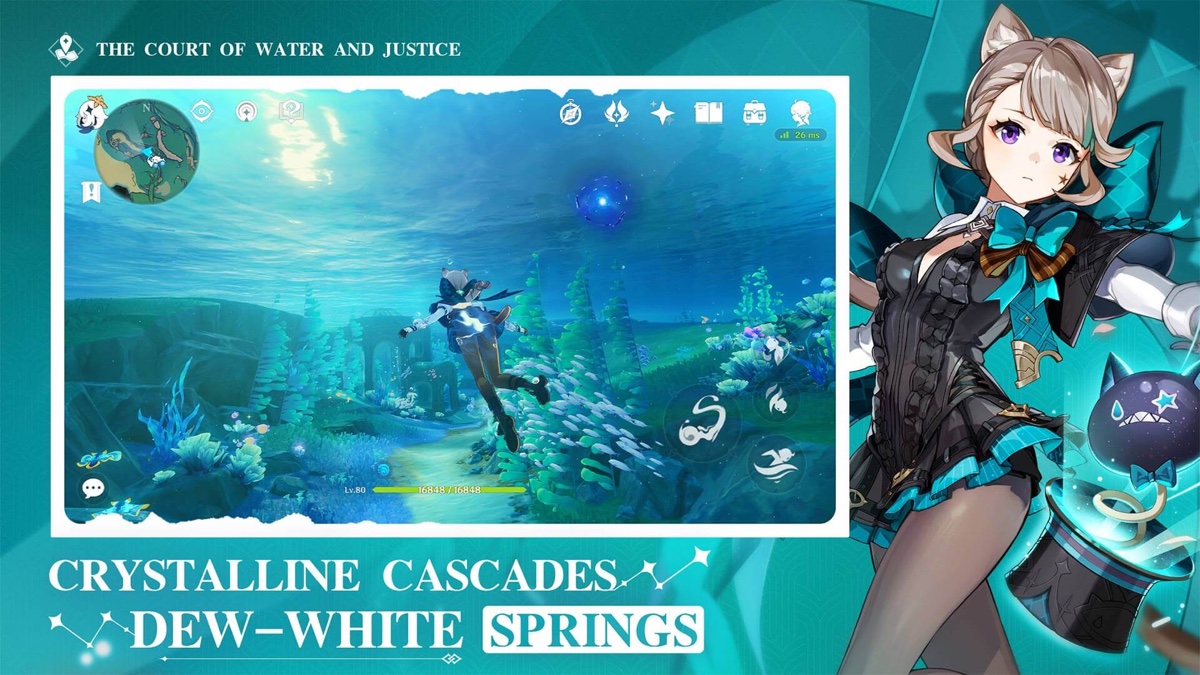
NTE vs Genshin Impact — screenshot 1NTE vs Genshin Impact — screenshot 2NTE vs Genshin Impact — screenshot 3

The verdict

Pick Genshin Impact if you want the polished, content-rich benchmark with elemental puzzle-combat that runs on almost anything. Pick NTE if you want a fresh GTA-flavored urban sandbox and a dramatically friendlier gacha, just bring a strong PC and some patience for a young game still proving its endgame.

← All NTE comparisons