The name is shared, the rhythm is not
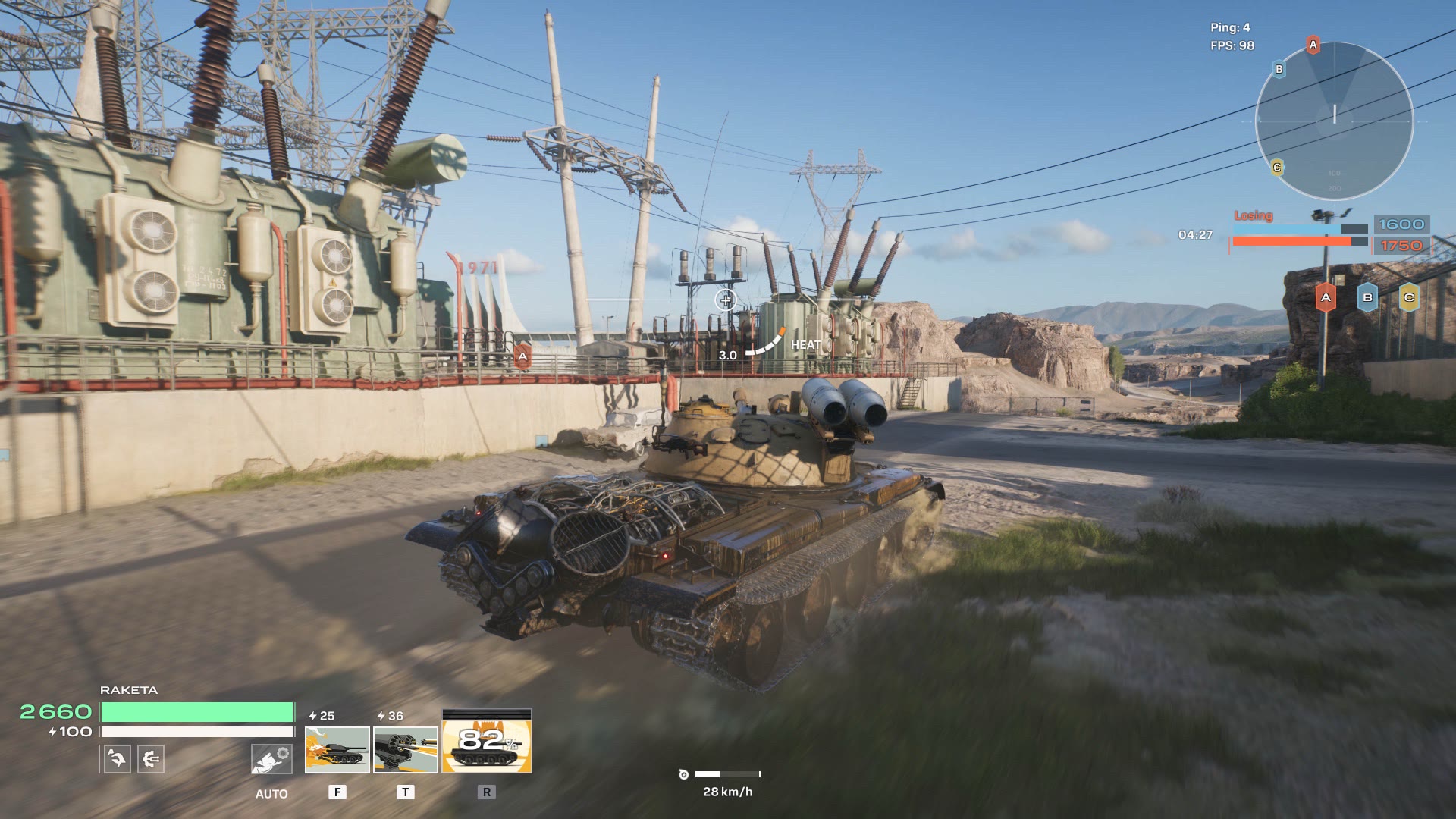
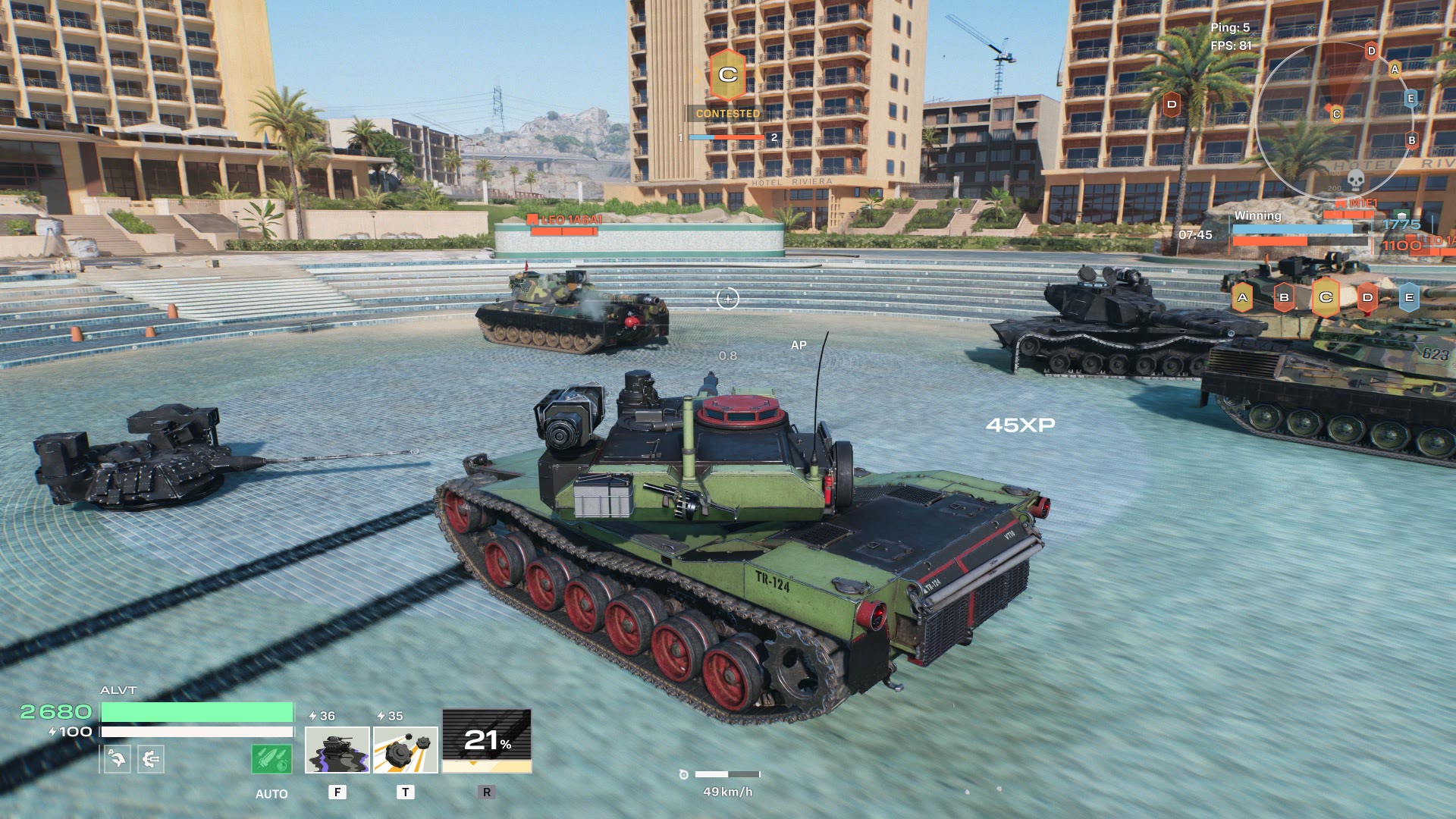
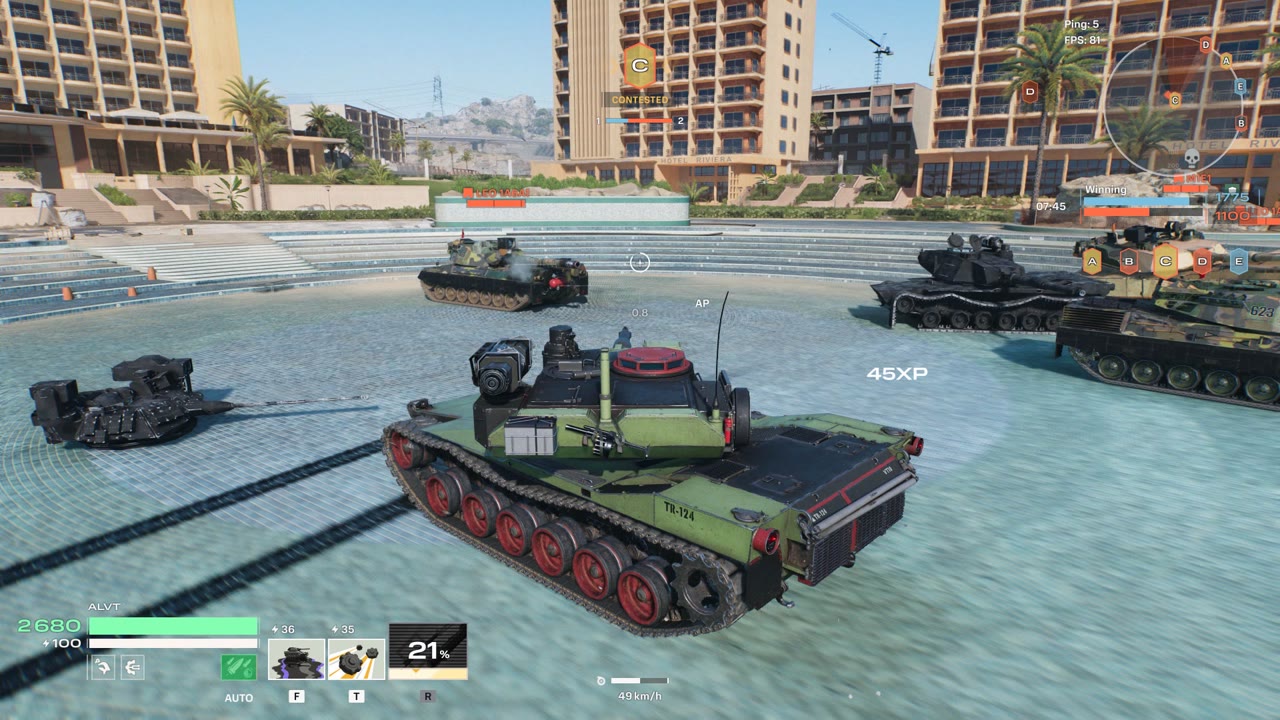
World of Tanks: HEAT is not a replacement for World of Tanks. It is Wargaming testing a different answer to the same fantasy: what if armored combat played like a modern hero shooter? Instead of choosing a nation and grinding up a tree, you choose an Agent. That Agent brings a passive, an active ability, an ultimate and a small vehicle roster. The official support page frames HEAT around 5v5 and 10v10 battles where the Agent controls the ability identity and the tank controls armor, firepower and movement.
Classic World of Tanks still owns the tactical tank arena. Its Steam page emphasizes vehicle types, positioning, weak points and a huge roster spread across tiers and nations. The game is slower, more methodical and more punishing when you do not understand spotting or armor. HEAT is more readable in the first hour because it tells shooter players what role they are playing and gives them clear feedback through objectives, reticle colors and cooldowns.
Progression changes the way you think
World of Tanks is a long account project. You move through national trees, unlock vehicles, improve crews, tune equipment and gradually build a garage. HEAT is more horizontal. You level Agents and vehicles, unlock modules and experiment with combinations. That makes it easier to sample the game, but it also means HEAT cannot yet match the accumulated depth of the older title.
Which one should you install first?
Install HEAT first if you want fast sessions, clear roles, cross-platform support and a new live game that is still being shaped by patches. Install World of Tanks first if you want the proven tank game with a larger competitive history and much more vehicle content. For acquisition, the honest pitch is simple: HEAT is the easy first click; World of Tanks is the long-term hobby.
The expert read
HEAT wins on novelty and onboarding. World of Tanks wins on maturity and depth. Players who bounced off classic World of Tanks because it felt slow may prefer HEAT immediately. Players who care about learning armor, maps and vehicle matchups over months should stay with the original.