War Thunder is a vehicle hobby; HEAT is a PvP shooter
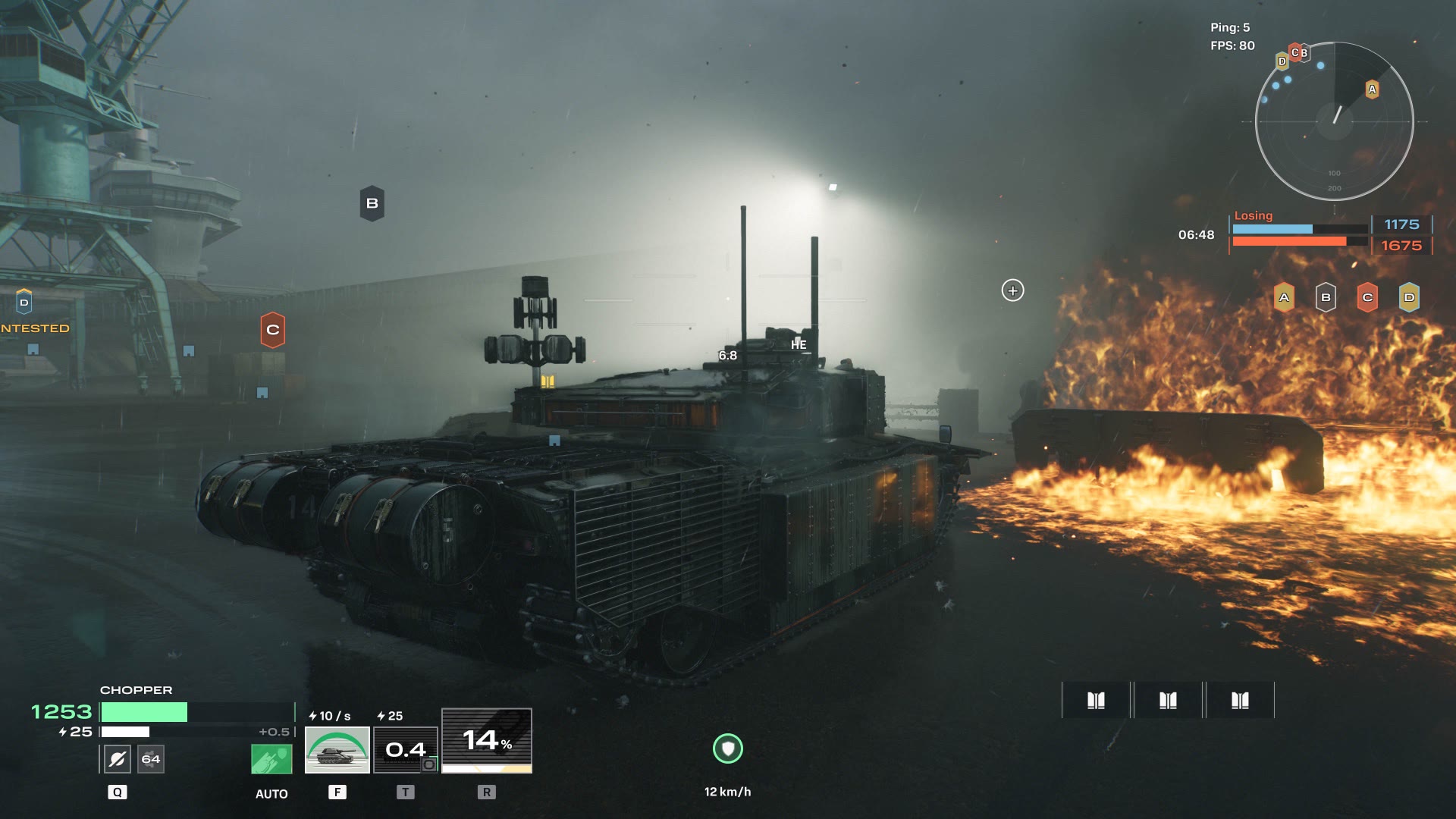
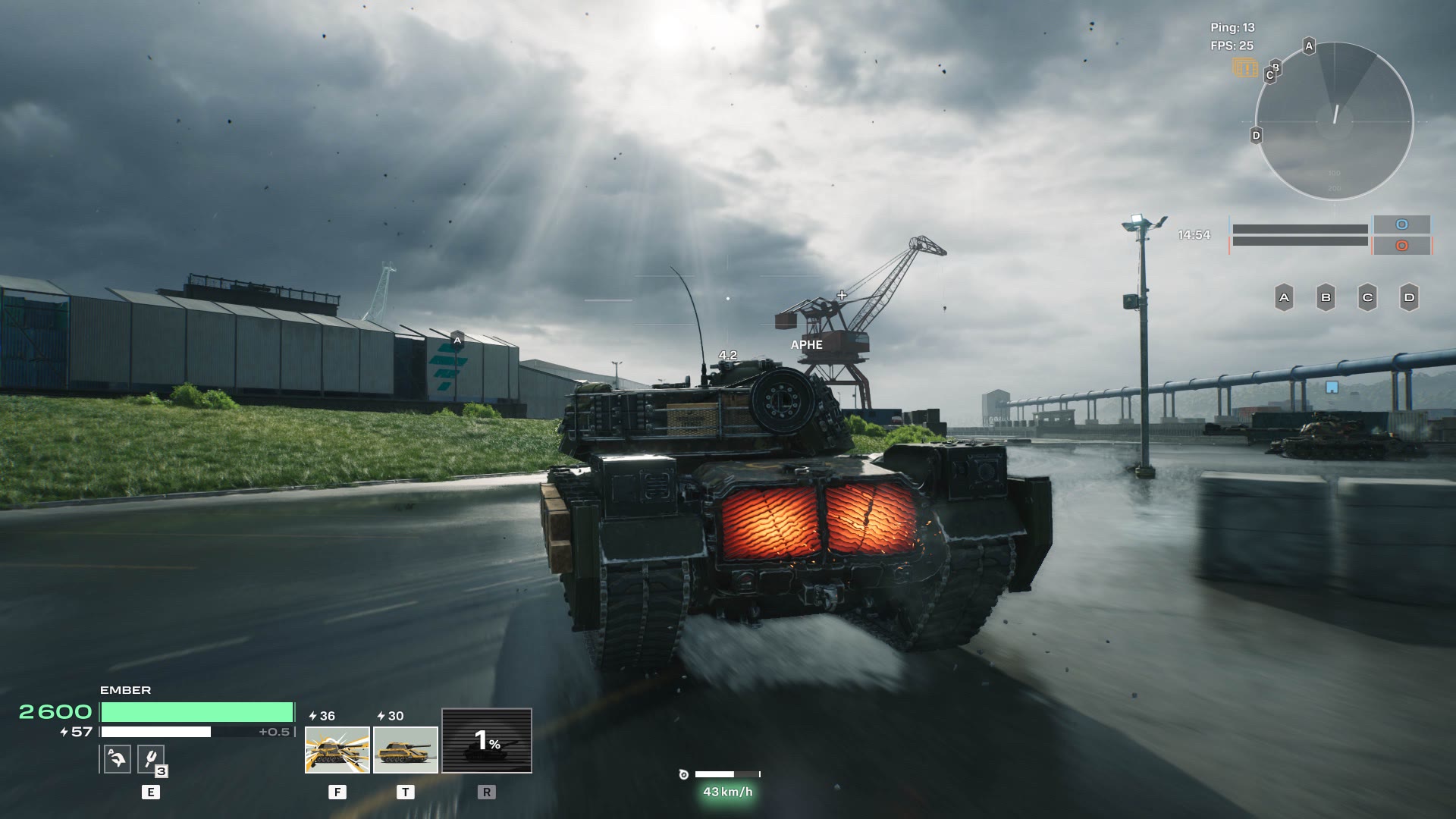
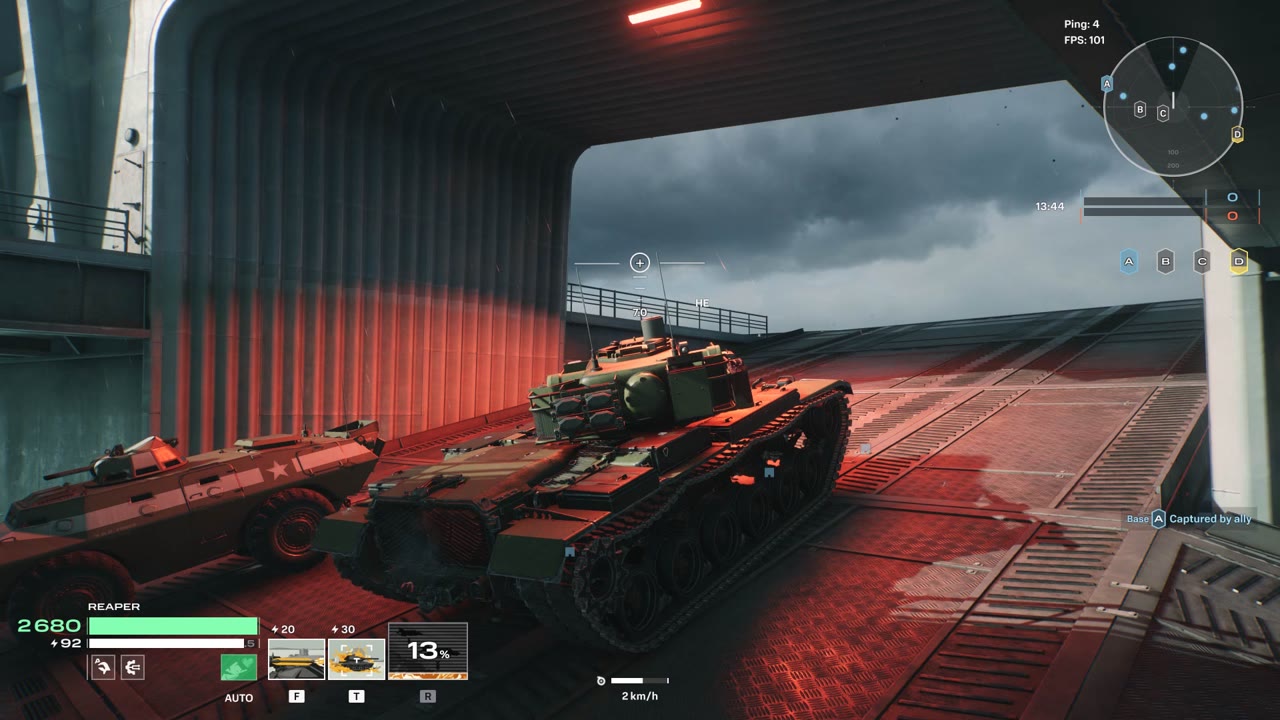
War Thunder and HEAT both attract players searching for free tank games, but they satisfy different instincts. War Thunder treats the vehicle as the whole subject. Shell type, armor angle, crew layout, module damage, optics, Battle Rating and lineup depth all matter. HEAT treats the tank as a hero-shooter body. The Agent brings the kit, the vehicle brings movement and firepower, and the objective creates the fight.
That makes HEAT far easier to recommend as a first-session game. The support page tells new players to read reticle colors, use the Firing Range and focus on objectives for Tech earnings. Those are simple, actionable habits. War Thunder asks for more homework before the battle starts to make sense.
War Thunder still has the depth advantage
War Thunder has a decade-plus of content, and its official Steam presence sells a combined-arms game where ground, air and naval branches sit inside one ecosystem. That scale creates a higher ceiling than HEAT can offer in 2026. If a player wants to learn real vehicle behavior, compare ammunition types and build lineups across nations, War Thunder wins clearly.
Where HEAT can convert War Thunder searchers
HEAT is strongest for people who like the idea of tank combat but bounce off simulator friction. It removes aircraft pressure, simplifies the damage language and compresses the match into hero-shooter rhythm. That is not a weakness. It is the point. The only warning is maturity: HEAT is still young, Steam reviews are mixed, and Wargaming is visibly tuning quality-of-life, economy and balance through frequent updates.
The expert read
War Thunder is the better simulation and the better long-term vehicle collection game. HEAT is the better immediate PvP pitch. Do not sell HEAT as a War Thunder killer; sell it as the lower-friction alternative for players who want tank combat without committing to a second job of vehicle study.