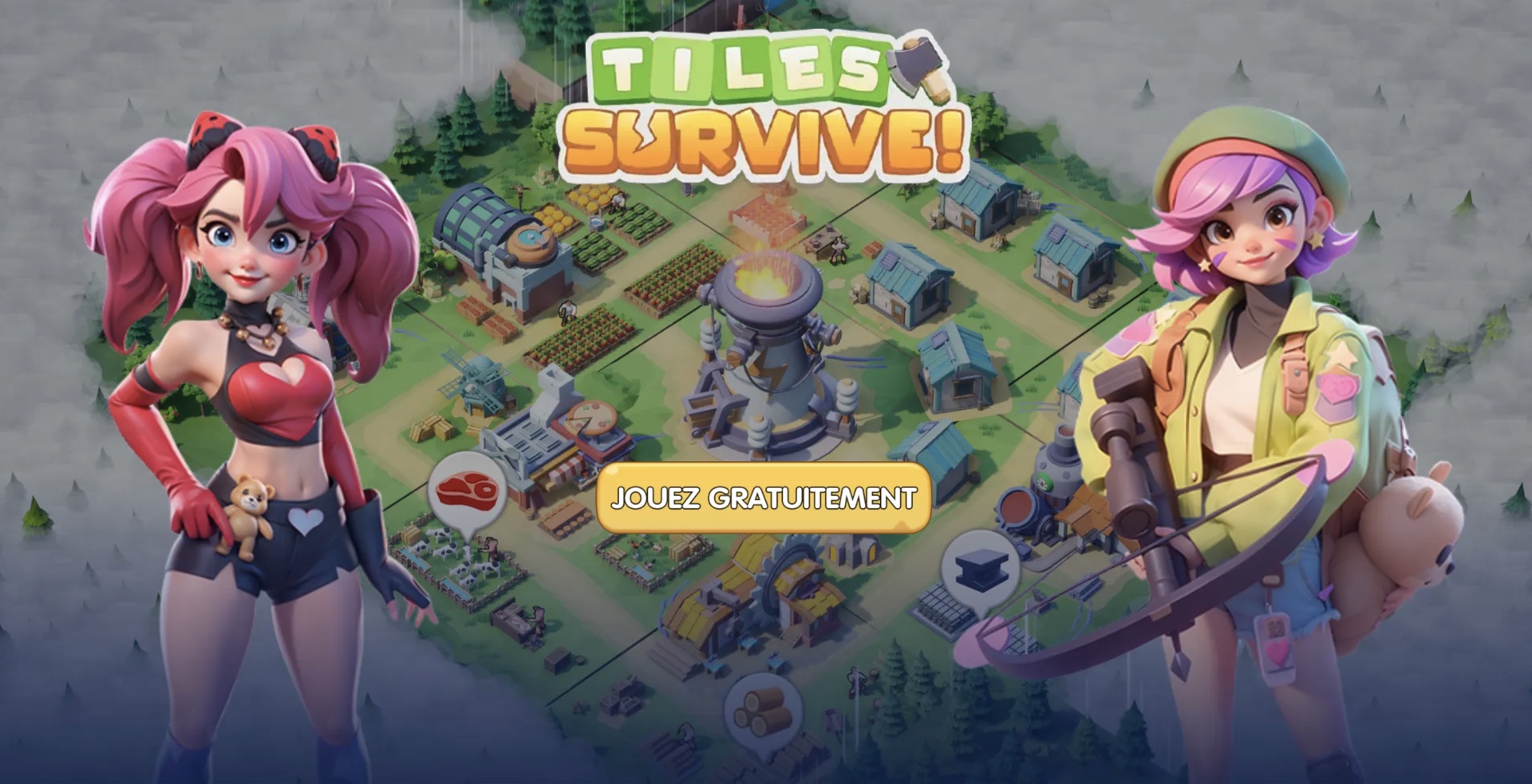
LifeAfter is the game people often imagine when they see Tiles Survive's adverts, and are then disappointed not to get. NetEase's LifeAfter is a lavish, embodied open-world survival game; Tiles Survive is a top-down strategy builder. Both are set in a zombie apocalypse, but one puts you inside the world and the other has you managing it from above.
Gameplay & combat
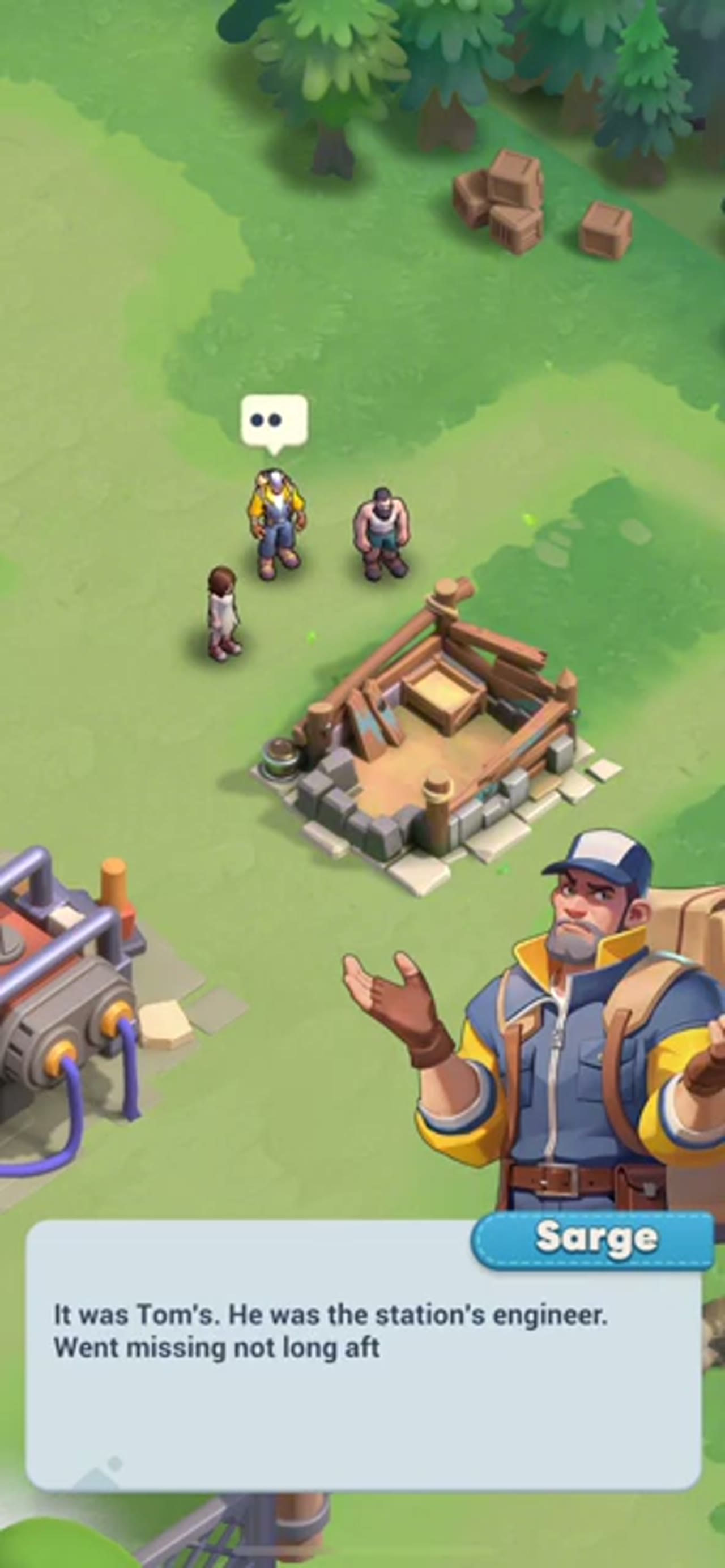
In LifeAfter you steer a full third-person avatar through a large open world, chopping trees, mining stone, scavenging buildings and fighting the infected with ranged and melee weapons. Its crafting is genuinely deep, you make everything from tools, gear and armour to food and your own house, and its visuals are frequently praised, drawing Minecraft and PUBG comparisons. Tiles Survive abstracts all of that: exploration happens by clearing fog tile by tile, gathering is a menu action, and combat is auto-resolved through hero skills rather than aiming a rifle. LifeAfter is the immersive, hands-on survival experience; Tiles Survive is the lean, tap-to-progress strategy version.
Progression & monetisation
LifeAfter's loop is about the moment-to-moment craft-and-explore grind, and its honest weaknesses are that combat can feel "lifeless," the mid-game gets grindy, and performance can wobble on weaker phones. It monetises through progression and cosmetics but is less of a pure spender-versus-spender arms race than the 4X titles. Tiles Survive's progression is timer-and-hero driven, with alliance warfare and ranked events openly favouring paying players (community fairness estimates around 5/10), though its PvE, tile chapters, shelter building and story, remains fully enjoyable for free.
- LifeAfter shines at: immersion, exploration, standout graphics and one of mobile's deepest crafting systems.
- Tiles Survive shines at: low-friction, check-in-anywhere strategy, hero collecting and alliance metagame.
- Honest flags: LifeAfter can be grind-heavy with flat combat; Tiles Survive is only about a year old, retention is shaky and its ads are widely called misleading.
Content & endgame
LifeAfter's longevity comes from its Manor/homestead systems, seasonal maps, infection zones and cooperative camps, content you actively play through with your character. Tiles Survive's endgame is the familiar alliance-war and event-ranking layer resolved in menus. One rewards time spent in the world; the other rewards management and, increasingly, spending.
Which should you play?
They barely compete. If you want to actually live in a survival world, gather, craft, build a house and explore, LifeAfter is far closer to that fantasy and remains a genuinely impressive production years on. If you want a bite-sized strategy game about expanding a settlement and directing survivors from above, Tiles Survive fits, provided you go in knowing it is newer, unproven on retention, and nothing like the action game its marketing promises.