Issue 041 — July 2026
A PC-only games site我們的評測方式訂閱
PCGame·Pilot
Comparison

World of Tanks: HEAT vs World of Tanks

The obvious comparison: Wargaming's new hero-shooter spin-off against the historical tank sim that started it all. HEAT is a standalone game with ability-driven Agents and short objective matches; classic World of Tanks is a slower, realism-leaning 15v15 with a deep national tech tree. They share a name and a subject, and almost nothing else.

World of Tanks: HEAT vs World of Tanks
AspectHEATWorld of TanksEdge
Core designHero shooter: each Agent has a passive, active ability and an ultimate, plus a two-vehicle roster.Historical sim: no abilities — outcomes come from armour angling, positioning and crew skills.Tie
SettingAlternate post-WWII sci-fi timeline with experimental, heightened vehicles.Grounded 20th-century history with real, faithfully modelled tanks.Tie
Match formatFast objective modes — 5v5 Hardpoint/Control/Kill Confirmed and 10v10 Conquest.15v15 random battles, encounters and assaults on large maps.Tie
ProgressionAgent levels and vehicle levels (to 25) unlock skills and modules; no shared WoT account.Deep tech tree across nations, tiers I-X, with crews, equipment and a long grind.World of Tanks
Pace & accessibilityShort, readable matches built to onboard shooter players quickly.Higher skill floor; matches reward map knowledge and patience.HEAT
PlatformsPC, PS5, Xbox Series X|S, Steam Deck and GeForce NOW with cross-play and cross-progression.PC-first (console versions are separate products); no unified cross-play with HEAT.HEAT
MaturityNew live game (launched May 2026) still balancing Agents and economy; Mixed on Steam.Over a decade of iteration, a huge roster and an established competitive scene.World of Tanks

Design & combat

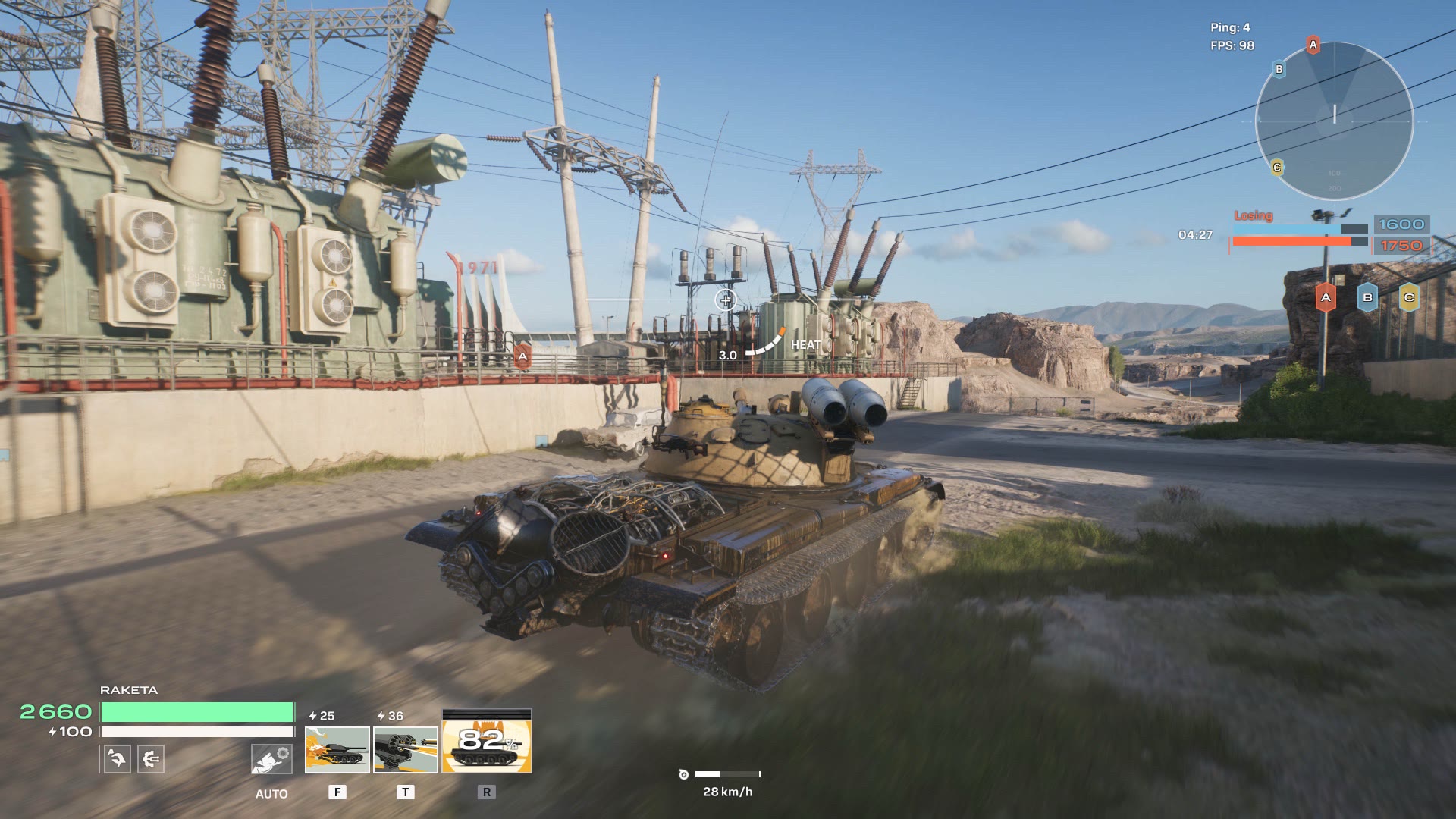
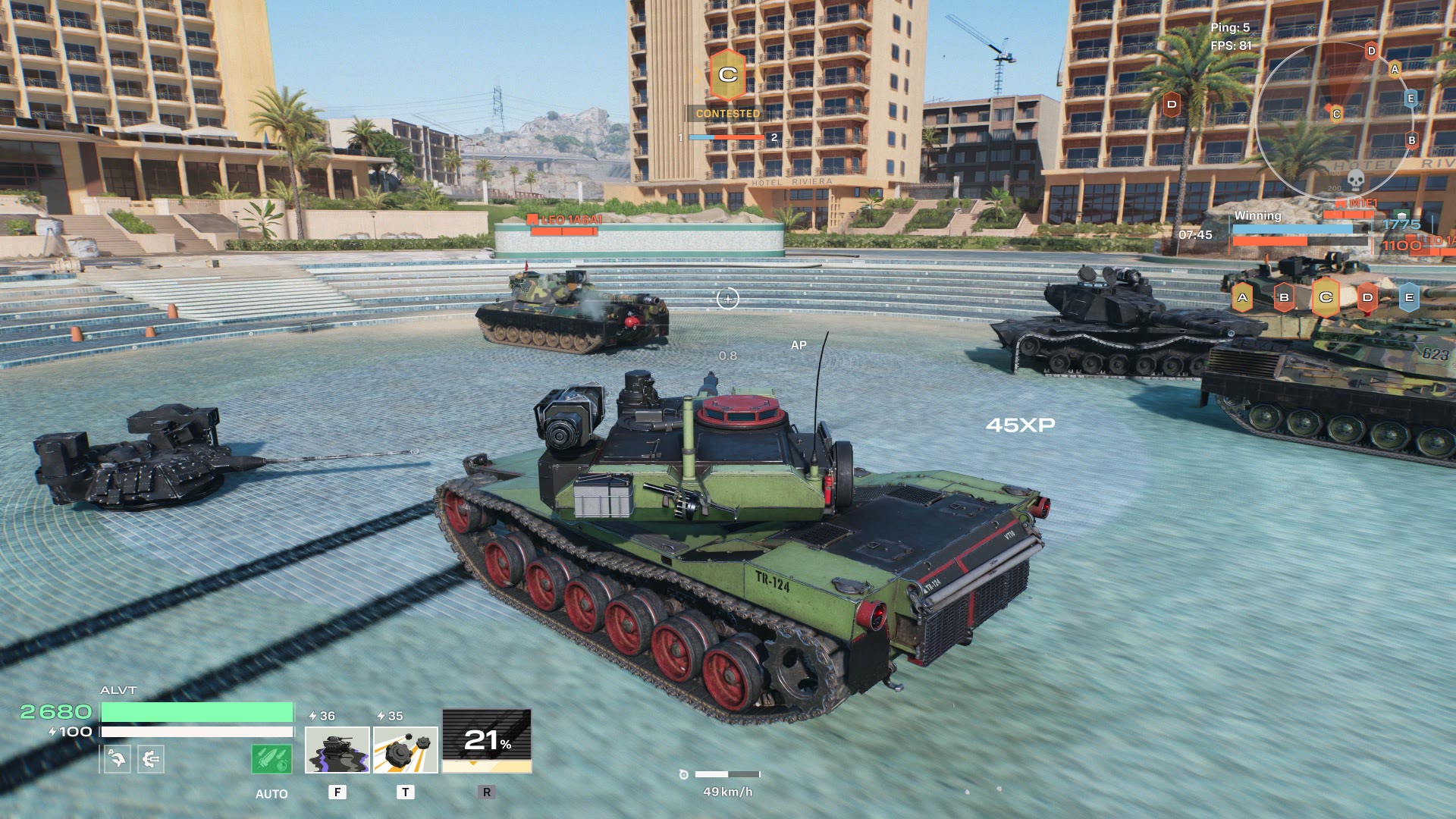
World of Tanks: HEAT and the mainline World of Tanks share Wargaming and a fascination with armour, but they are built on opposite philosophies. Classic World of Tanks is a historical simulation: victory comes from angling your armour, exploiting terrain, managing view range and knowing exactly where an enemy's weak spots are. There are no special abilities — just tanks, physics and crew skills. HEAT reimagines the franchise as a hero shooter. You play as named Agents, each with a passive trait, an active ability and a screen-clearing ultimate, and each Agent commands a two-vehicle roster tuned to one of three roles: Defender, Assault or Marksman. The result is faster, louder and far more readable to anyone coming from Overwatch or Valorant.

Progression & structure

The two games do not share an account or any progression. Classic World of Tanks is a vertical tech-tree grind across national lines, tiers I to X, with crews, equipment and premium tanks layered on top. HEAT is horizontal: you level individual Agents and their vehicles (to level 25) to unlock skills and modules, and you rotate through a small cast rather than climbing a tree. HEAT's matches are short objective rounds — 5v5 Hardpoint, Control and Kill Confirmed, plus 10v10 Conquest — where mainline WoT leans on 15v15 random battles that can run much longer.

Which should you play?

Choose classic World of Tanks if you want the genuine article: a deep, historically faithful tank sim with an enormous roster and a mature competitive scene, and you don't mind a steep learning curve and a long grind. Choose HEAT if you want a free, fast, cross-platform hero shooter where tanks have superpowers, matches are quick, and the barrier to entry is deliberately low. HEAT is the newer and rougher of the two, still balancing its Agents and economy in public, but it is trying something the mainline game never attempted — and that novelty is exactly the point.

HEAT vs World of Tanks — screenshot 1HEAT vs World of Tanks — screenshot 2HEAT vs World of Tanks — screenshot 3

The verdict

Pick World of Tanks if you want the authentic, historically grounded tank sim with a deep tech tree and years of polish. Pick HEAT if you want a faster, ability-driven arcade shooter you can drop into for short matches across every platform. They barely compete for the same session — one is a simulation you study, the other is a hero shooter you jump into — so the real question is whether you want realism or hero powers.

← All HEAT comparisons