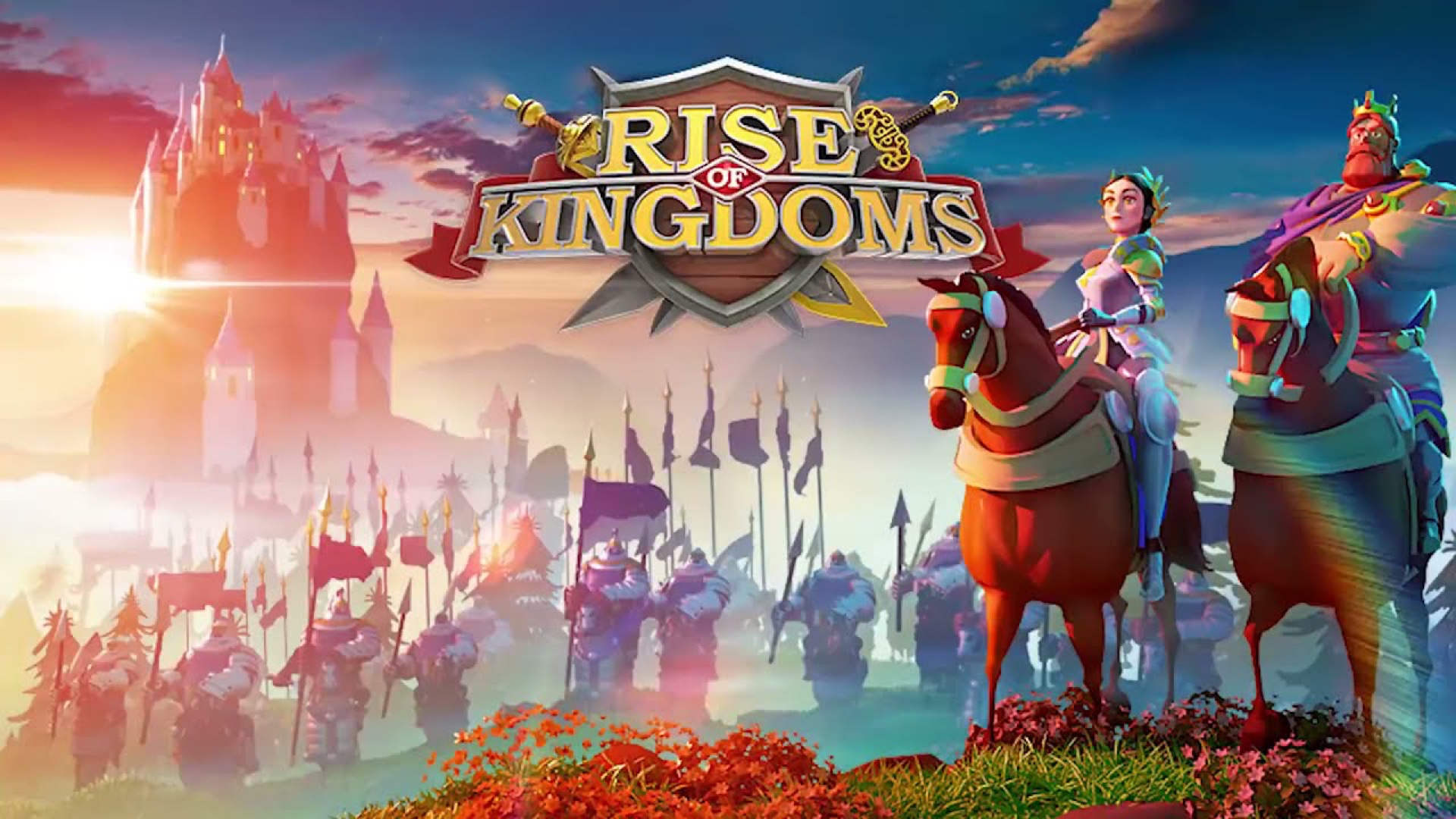
Two games from the same studio
This is the closest comparison Rise of Kingdoms has, because both games come from Lilith Games and share the same DNA. Call of Dragons (2023) is widely treated as the spiritual successor to Rise of Kingdoms (2018): open-map real-time strategy, alliance warfare, resource gathering, and a persistent server that culminates in cross-server 'Kingdom vs Kingdom' style events. If you already know how RoK marches, rallies, and territory work, you will be fluent in Call of Dragons within an hour.
Gameplay & combat
The headline difference is verticality. Rise of Kingdoms is grounded in real history: you pick a civilization (Rome, China, Germany, Britain and so on), lead famous commanders like Scipio, Cao Cao or Joan of Arc, and fight on a flat continent. Call of Dragons trades history for high fantasy, adds a hexagonal grid instead of RoK's free tiles, and introduces flying legions and giant Behemoths, so aerial units can cross terrain that ground armies must go around. Reviewers on PCGamesN and community threads generally agree Call of Dragons feels like 'RoK 2.0' mechanically, with more tactical map depth but a steeper theorycrafting curve around unit types.
Progression & monetisation
Both are free-to-play SLGs built around the same commercial engine: VIP levels, speedups, gem packs, and commander/hero sculptures pulled from a gacha. Rise of Kingdoms has a longer, more mature economy and its 'zero-to-power' free path is well documented after years of guides. Call of Dragons is more generous early on with hero shards and often runs aggressive launch-era events, but veterans warn the whale gap opens just as wide once servers age.
- Setting: RoK = real historical civilizations; CoD = fantasy with dragons and elves.
- Map: RoK = open tiles; CoD = hex grid plus flying and amphibious units.
- Maturity: RoK has a huge, stable population and years of meta; CoD has smaller but active servers and a fresher meta.
- Heroes: RoK commanders pair two per march; CoD leans on hero-plus-artifact-plus-unit synergies.
Content & endgame
Rise of Kingdoms wins on sheer accumulated content: the 'Lost Kingdom', 'Ark of Osiris', the Mightiest Governor events and a deep commander roster mean there is always something to grind. Call of Dragons counters with slicker 3D presentation, its Behemoth capture-and-deploy loop, and combat that rewards positioning more than raw stat-checking.
Which should you play?
Play Rise of Kingdoms if you want the proven, content-rich, historically flavoured original with the largest community and the most guides. Play Call of Dragons if you want the same core loop with more tactical map play, flying units, and a fantasy skin, and you do not mind a smaller (though very much alive) player base. Because they are so similar, most players pick one and commit, since both demand daily attention to stay competitive.