HEAT borrows the hero-shooter language
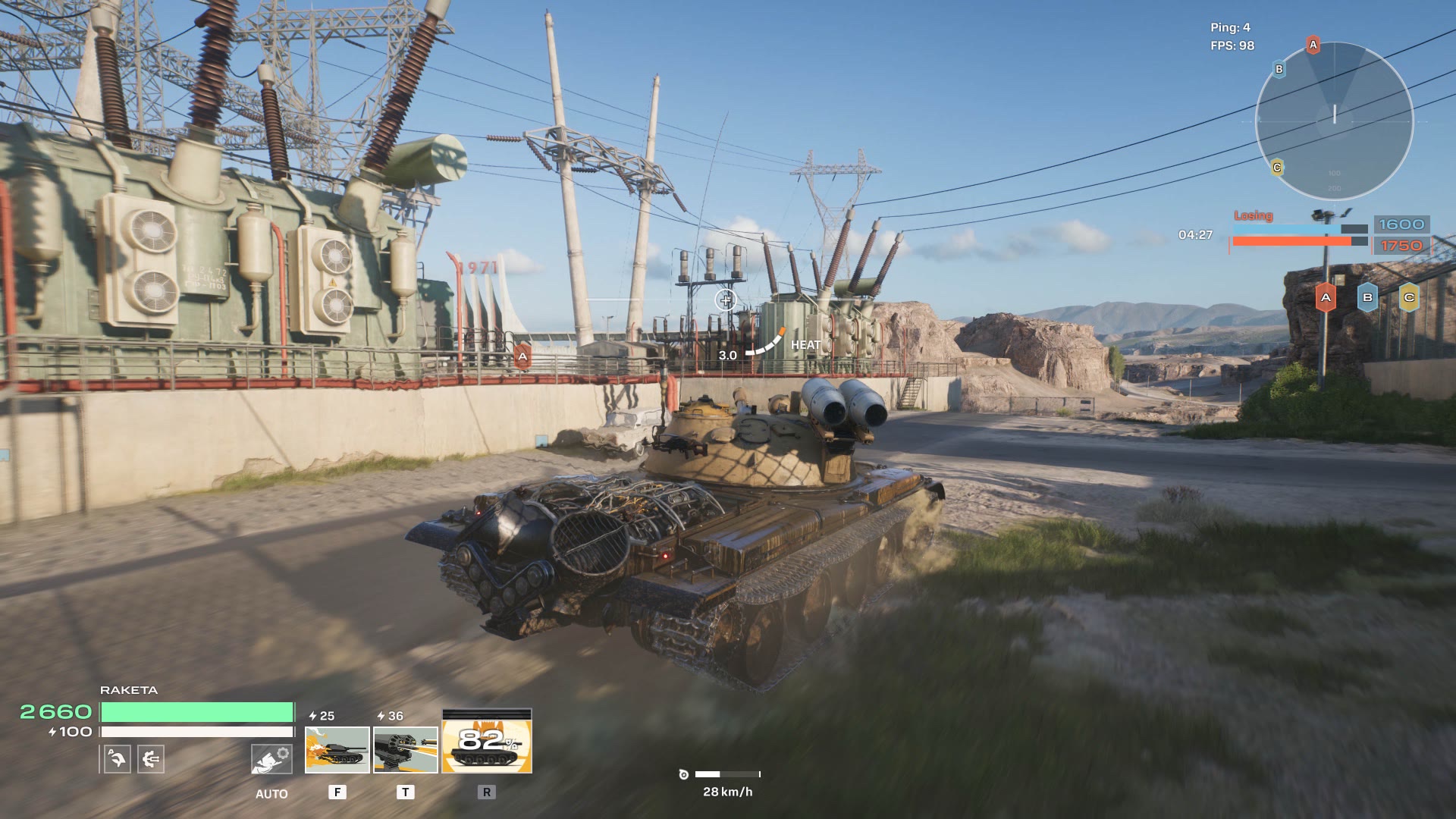
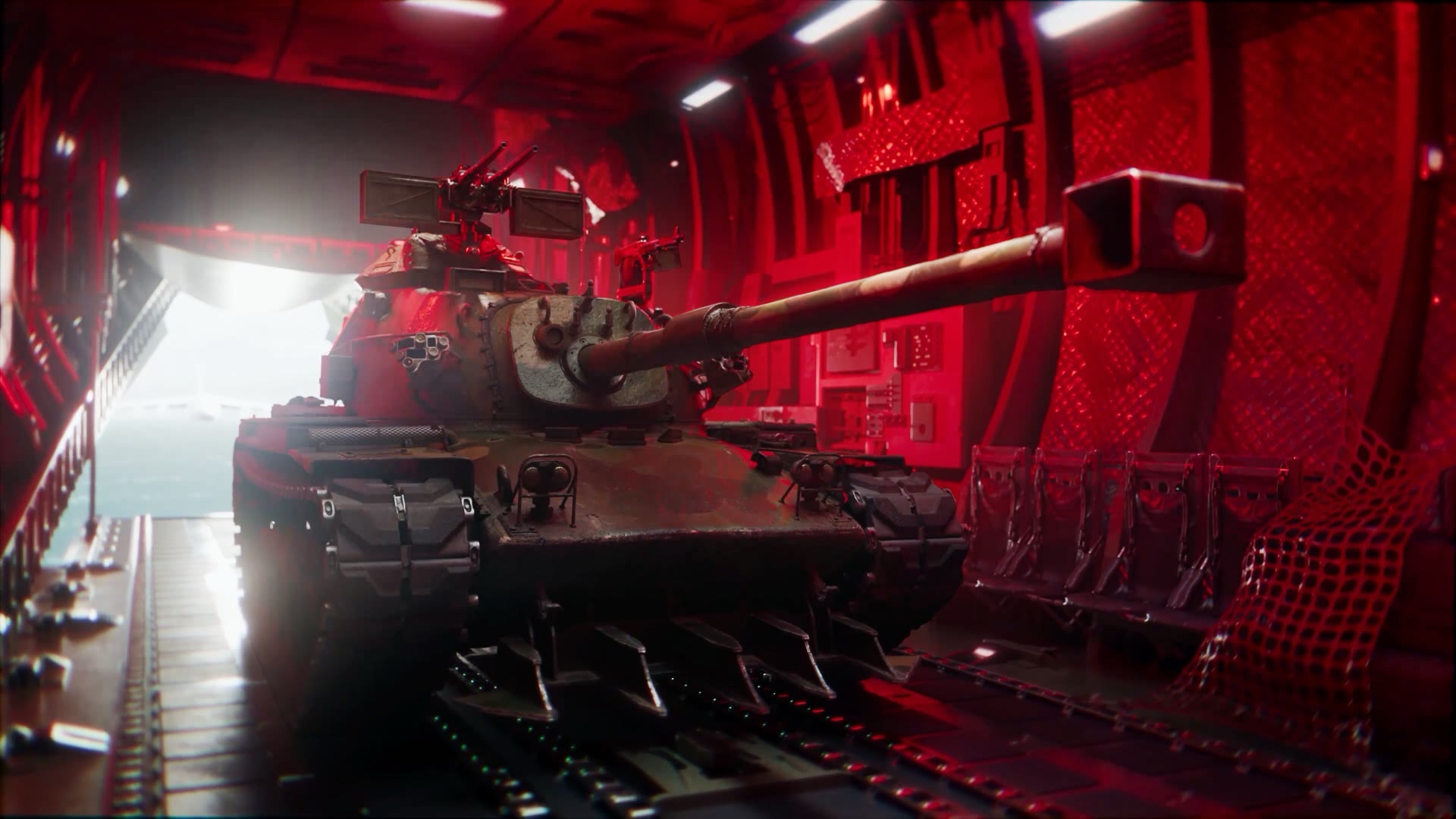
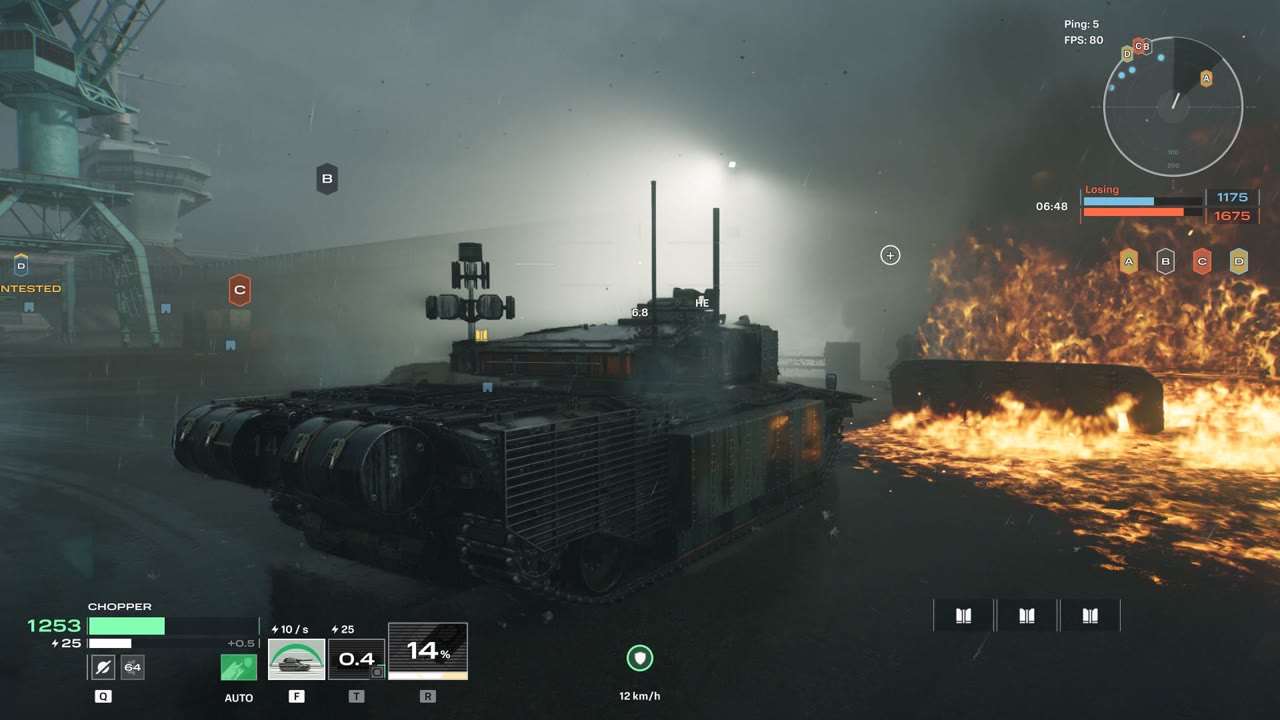
World of Tanks: HEAT is easy to explain to an Overwatch player: pick a role, learn a kit, fight over objectives and use your ultimate at the right moment. The difference is weight. You are not wall-climbing, blinking or diving as a character on foot. You are committing a vehicle to a lane, managing armor exposure and using abilities to force or survive a point fight.
Overwatch 2 remains far more refined as a pure hero shooter. Blizzard moved the PvP format around team roles and has years of data behind hero balance, maps and competitive flow. HEAT has a smaller roster and a narrower tactical language. That makes it easier to learn, but it also means fewer matchups, fewer team-composition puzzles and a less proven ranked ecosystem.
Why a hero-shooter player might still care
The value of HEAT is novelty. Many hero shooters feel similar once you understand the role loop. HEAT changes the body. Sightlines are wider, movement is heavier, pushes are more deliberate, and ability timing interacts with vehicle positioning rather than footwork. The result is not as sharp as Overwatch, but it is meaningfully different.
Where Overwatch 2 wins cleanly
Overwatch 2 wins if you care about roster depth, polished team fights, support play, mobility, ranked culture and a large existing audience. HEAT does not yet have that maturity. Steam reception is mixed, and Wargaming is still smoothing quality-of-life issues through updates. Treat HEAT like a young live game, not a finished replacement.
The expert read
Overwatch 2 is the safer recommendation for hero-shooter players. HEAT is the better curiosity click for people who want the same grammar applied to tanks. In content terms, that is the angle: do not pretend HEAT beats Overwatch at Overwatch. It wins by being the only serious vehicle version of the idea.